
Is It Really Worth Buying a Bigger Pack at the Supermarket?
A bigger supermarket pack is not always cheaper‚ since unit price‚ household consumption‚ storage and marketing all affect the real value.
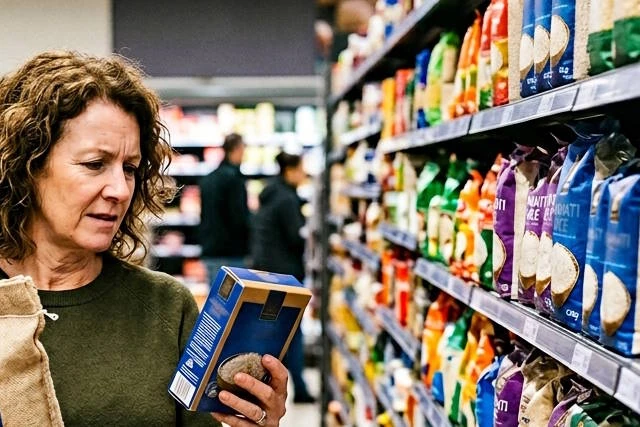
When shoppers look at a larger pack on the shelf‚ their first impression often comes from a simple comparison between two numbers. The total price looks higher‚ but the larger quantity gives the impression of a better deal over time. Many people do not check the price per unit of weight or volume‚ even though this information is sometimes clearly shown on the shelf. Even when the unit price really is lower‚ other factors still affect whether the purchase is worthwhile. That is why it is important to understand that pack size is not the only measure that determines whether a decision makes financial sense.
Checking the Unit Price on the Shelf
The simplest way to find out whether a large pack really is better value is to look at the price per unit. Most supermarkets show the price per 100 grams‚ per kilogram or per liter next to the total price of the product. This figure makes it possible to compare products of different sizes more accurately than looking at the total price alone. Sometimes it turns out that the difference between the packs is much smaller than it first seemed when looking at the shelf. In some cases it even turns out that the large pack is not cheaper at all once the real unit price is calculated.
Household Consumption Over Time
Deciding to buy a large pack is not only about the shelf price but also about consumption habits at home. When a product is used regularly and at a relatively high rate‚ a large pack can fit household consumption more naturally. Products that are used less often‚ however‚ may sit in the cupboard or fridge for a long time. This can lead to waste when part of the product ends up not being used. That is why matching pack size to the household's real rate of consumption is a key part of a sensible financial decision.
Storage Conditions and Their Effect on Products
Different products have storage conditions that limit how long they can be used at their best. Some dry goods can last a long time‚ but they too are affected by humidity or changes in temperature. Other products‚ such as sauces‚ cheeses or dairy products‚ may spoil faster once the package has been opened. When a large pack is opened but not used up quickly‚ part of the contents may lose quality. In such cases the saving on price can actually turn into a bigger expense in the long run.
Marketing Promotions and Their Effect on Buying Decisions
Retail chains often use large packs as part of a marketing strategy designed to increase the size of the shopping basket. Signs highlighting words such as savings or family pack can create an immediate sense of value. Yet sometimes the actual discount is relatively small or does not exist at all. Many shoppers tend to make quick decisions when the marketing message is displayed prominently. A quick check of the unit price can reveal whether it is a real opportunity or just persuasive marketing.
Space and Storage Considerations in the Home Kitchen
Another factor that affects whether large packs are worthwhile is the physical space available at home. Large packs sometimes take up a significant amount of room in the pantry or fridge. When space is limited‚ large products can create clutter that makes it harder to keep the kitchen organized. In addition‚ buying many large packs can cause shoppers to lose track of the products they already have at home. This can lead to duplicate purchases and extra waste that is not taken into account at the time of buying.
In Summary
Large packs at the supermarket can sometimes offer real savings‚ but they are not always the best-value choice. The right decision requires a broader look than the total price printed on the package. Checking the unit price‚ matching household consumption habits and considering storage can all affect the final outcome. When all the factors are considered together‚ it is possible to make a more considered consumer decision. This understanding helps turn supermarket shopping into a more conscious and controlled process.