

Why Distance From Schools Matters Even If You Have No Children
Schools and kindergartens shape street activity‚ property values‚ local infrastructure and community life‚ even for residents without children.
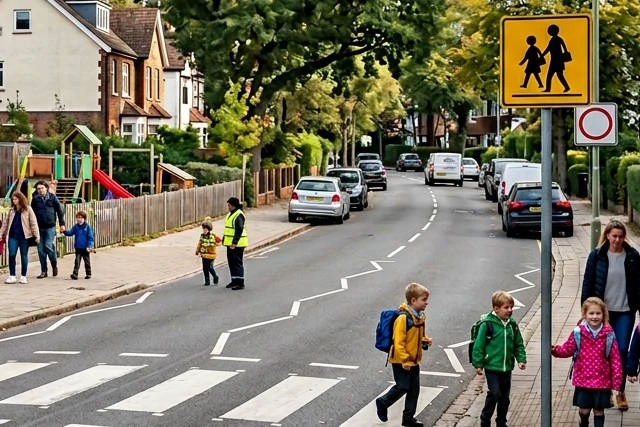
Looking at many residential neighborhoods in Israel and around the world‚ you can see that educational institutions often serve as a central hub of community activity. Schools and kindergartens create a concentration of municipal services‚ transport infrastructure and public spaces around them. Even people who do not use the educational institutions themselves are affected by their presence nearby. These institutions influence how residents move around‚ how lively the streets are and the general sense of community. That is why the distance from them can be relevant even for residents without children.
Daily Activity Around Schools
Schools and kindergartens generate a daily flow of pupils‚ parents and teaching staff during the day. This flow affects how busy the nearby streets are and traffic congestion at certain hours. In the morning and the afternoon‚ streets around educational institutions can be busier. On the one hand‚ this can create the feeling of a lively and dynamic area. On the other hand‚ it may affect parking availability or how quiet it is at certain times.
The Effect on Property Values in the Neighborhood
Proximity to high-quality schools is often considered a factor that increases demand for apartments in a particular neighborhood. Many families look for homes near good schools to make their children's daily lives easier. This demand also affects apartment prices throughout the area. So even people without children may benefit from a higher property value when the apartment is in an area sought after for its schools. This economic effect can be significant when the property is sold in the future.
Community Life Around Educational Institutions
Educational institutions are not just places of learning but also social hubs that connect the residents of a neighborhood. Community events‚ parent activities and after-school programs create social ties between families. This activity shapes the overall character of the neighborhood and its sense of community. Residents who are not parents also often enjoy an environment with social activity and an active community life. That is why distance from schools can also affect the social atmosphere of the area.
Urban Infrastructure Built Around Schools
Many cities invest in transport infrastructure‚ parks and public services in school areas. The reason is the need to provide convenient and safe access for pupils and parents. These investments also affect the quality of life of all residents in the area. Walking paths‚ public gardens and open spaces built near educational institutions are often used by the whole community. So living close to schools can improve the surroundings even for people who do not use them directly.
Weighing the Surroundings When Choosing an Apartment
When considering buying an apartment‚ it is important to treat the distance from schools as part of a wider set of considerations. Alongside the possible advantages‚ there are also aspects that can affect daily routines. Traffic congestion‚ noise at certain hours or intense activity around schools are factors worth taking into account. On the other hand‚ being nearby can also bring community services and improved infrastructure. A balanced look at the pros and cons helps you better understand what the apartment's location means.
In Summary
Distance from educational institutions affects not only families with children but also other residents of the neighborhood. These institutions influence how people move around‚ property values and the community character of the area. Living close to them can bring certain advantages alongside everyday challenges. It is therefore worth assessing the location in relation to schools as part of the overall evaluation of the apartment's surroundings. This broad view helps you better understand living conditions in the area.