

The Sofa‚ the Books and the Wedding Dishes: How Do You Split What You Bought Together When You Separate?
How to calmly and fairly divide the furniture‚ dishes‚ books and family photos a couple bought together when the relationship ends.
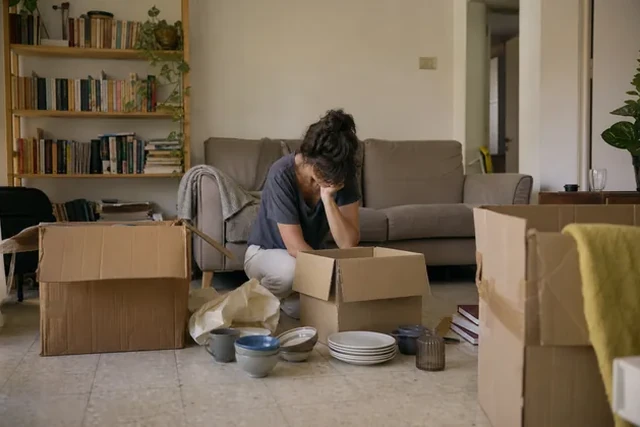
From a legal point of view‚ the division of property in a divorce also covers the contents of the home‚ and the rules that apply to money and large assets largely apply to the furniture and belongings as well. But in most cases‚ couples prefer to reach an agreement between themselves on these items rather than drag them into a long legal battle. For the agreement to be fair and not leave a bad taste‚ it is worth approaching it systematically. Here are a few principles that help couples divide what they bought together as calmly as possible.
A List Before Emotions
The first step is to make a list of everything in the home‚ room by room. It sounds technical‚ but the list takes the discussion out of the emotional realm and brings order to it. It is a good idea to divide the list into categories: what belonged to each of you before the relationship‚ what each of you received as a personal gift‚ and what was bought together. The last category is the one that needs to be divided‚ and it is usually smaller than it seems. With a written list‚ it is easier to see the overall picture and not argue over every item separately.
What Does Each of You Really Need?
Each partner will set up a new home‚ and each has different needs. The one who stays in the apartment with the children needs more furniture and kitchenware‚ while the one moving to a small apartment may not be able to fit the big sofa. Let each of you mark on the list what you need for your daily life‚ and only then talk about the items that have sentimental value. When you start with needs‚ a large part of the division happens almost by itself.
The Alternating Choice Method
For items that have sentimental value to both of you‚ a simple method that works is choosing in turns. Toss a coin to decide who goes first‚ and each of you picks one item from the list in turn until it runs out. The method is not perfect‚ but it is perceived as fair‚ and it prevents a situation where one of you feels the other took everything that mattered to them. You can also agree that certain items will be sold and the money split‚ or that one of you will take an item and compensate the other with an agreed sum.
Photos‚ Letters and Memories
Family photos‚ albums and the children's keepsakes are the hardest items to divide‚ because they cannot be cut in half. Today the solution is relatively simple: the photos and documents are scanned and both partners receive a full digital copy. The originals can stay with the parent the children live with most of the time‚ or be divided according to what matters to each of you. The children's keepsakes ultimately belong to them‚ and it is worth keeping them in one place so they can receive them when they grow up.
Putting the Agreements in Writing
Even when the agreement on the belongings is reached in a calm conversation‚ it is worth writing it down and attaching it to the overall settlement. This prevents repeated arguments when one of you discovers that the other took something that was not agreed on. If there are items of high monetary value‚ such as jewelry‚ works of art or a car‚ it is important to include them in the agreement with professional advice.
The Bottom Line
Dividing the contents of the home when you separate is not only a matter of money but also of memories and a new beginning. An organized list‚ consideration for each person's needs‚ taking turns to choose sentimental items‚ scanning photos and summarizing everything in writing help you get through this stage with dignity. And when the belongings are divided by agreement‚ it is easier for both of you to begin the next chapter without unnecessary baggage.