

How Documenting a Site Before Work Begins Protects Both Sides
Photos and a written description of the site before work starts help prevent disputes between the customer and the professional later on.
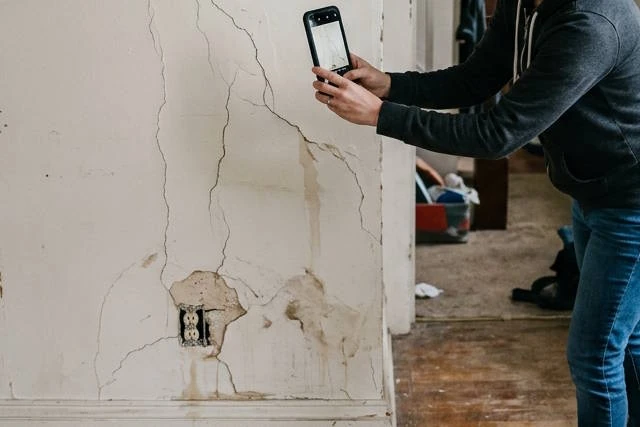
When professional work begins‚ it is sometimes hard to remember exactly what the place looked like before the process started. Small changes to the existing condition can look different once the job is finished‚ especially when repairs or renovations are carried out. In some cases‚ disputes arise over whether a certain defect existed before the work began or was caused during it. Documenting things in advance makes it possible to clarify the initial condition clearly. This helps prevent misunderstandings and keeps communication between the parties professional.
Photographing the Existing Condition Before Work Starts
One of the simplest and most effective ways to document is to photograph the area where the work will take place. Photos can show the condition of the walls‚ the floor‚ the fixtures or any other element related to the planned work. When the photos are saved before the job begins‚ you can go back to them if a question or dispute comes up. They also make it possible to see what has changed after the work is finished. This kind of visual record gives both sides a clear point of reference.
A Written Description of the Scope of Work
Beyond photos‚ it is also important to describe the scope of the planned work in words. Such a description can list the tasks that will be carried out and the materials that will be used. When all the details appear in a written document‚ it is easier to understand exactly what the parties agreed on. A document like this can serve as the basis for a shared understanding of what is expected from the job. It also makes it possible to check whether the work was done as agreed.
Clarifying Responsibility for Adjacent Areas
Many jobs involve adjacent areas that are not part of the work itself but may be affected by it. For example‚ a repair to one wall may be close to furniture‚ windows or other fixtures. Documenting the adjacent areas in advance makes it possible to clarify what condition they were in before the work began. When there is a clear understanding of the starting point‚ it is easier to determine whether anything changed during the job. This clarity protects both the customer and the professional.
Preventing Disputes After the Job Is Done
Many disputes between customers and professionals arise after the work is completed‚ when a question comes up about the final result. Sometimes customers expect a certain outcome while the professional understood the agreement differently. When there are photos and a detailed description of the work‚ you can go back to the documents and review the original agreement. This kind of documentation helps resolve disputes in a more practical way. Instead of relying on memory alone‚ both sides can rely on clear information.
Building Trust Through Transparency
The documentation process itself can also strengthen trust between the parties involved. When a professional offers to document the condition of the place before starting‚ it signals professionalism and transparency. The customer can see that the work is being carried out in an orderly and organized way. At the same time‚ the professional is protected against unfounded claims in the future. This transparency can contribute to a more pleasant working relationship.
In Summary
Documenting the existing condition before professional work begins is a simple step‚ but a very meaningful one. Photos and a written description of the scope of work can prevent misunderstandings and disputes after the job is finished. When both sides know exactly what condition the place was in at the start‚ it is easier to assess the final result. This kind of documentation protects both the customer and the professional. It also helps build trust and more professional cooperation.