
Why Are Some Dishes Better Made Ahead While Others Must Go Straight to the Table?
Why stews and soups taste better the next day‚ while fried food‚ salads and fresh pasta need to reach the table right after they are made.
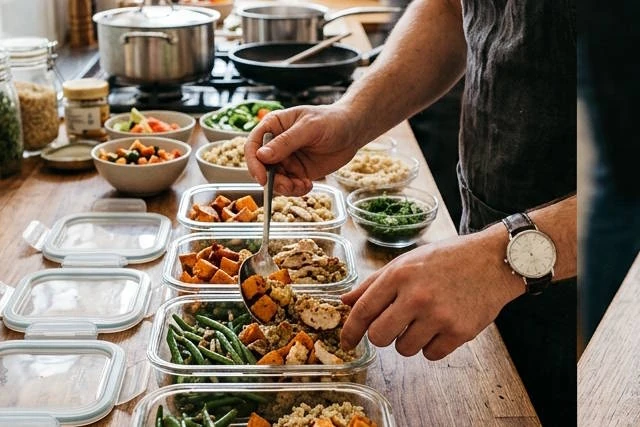
When planning a large meal or a family gathering‚ understanding the differences between types of dishes can have a significant effect on how guests experience the food. Some dishes actually benefit from being made in advance‚ which lets the cooks work more calmly and serve food with deeper‚ more noticeable flavor. Other dishes‚ by contrast‚ rely on crispness‚ freshness or a particularly high temperature‚ so they must reach the table immediately after they are prepared. Distinguishing between these two types makes it possible to plan the cooking order more wisely and avoid situations where an excellent dish loses its quality because of poor timing.
How Flavors Are Absorbed in Cooked Dishes
In many dishes based on sauces‚ stews or casseroles‚ the time after cooking allows the flavors to soak more deeply into the ingredients. As the dish gradually cools‚ the liquids are reabsorbed into the meat‚ vegetables or legumes‚ and the overall flavor becomes more balanced and full. This happens because flavor molecules keep moving through the liquids even after the heating has stopped. As a result‚ a soup‚ goulash or vegetable stew can taste even better the day after it is cooked. In many cases‚ then‚ making a dish ahead is exactly what produces the better result.
The Role of Texture in Dishes Served Right Away
There are many dishes in which texture is the central part of the eating experience. Fried foods‚ certain baked goods or fresh pasta depend on a combination of crispness on the outside and softness on the inside. When such a dish sits for a long time after it is made‚ the steam trapped inside starts to soften the outer layer. The result is a loss of the crispness that made the dish special in the first place. These dishes should therefore reach the plate as quickly as possible once they are ready.
How Temperature Affects the Eating Experience
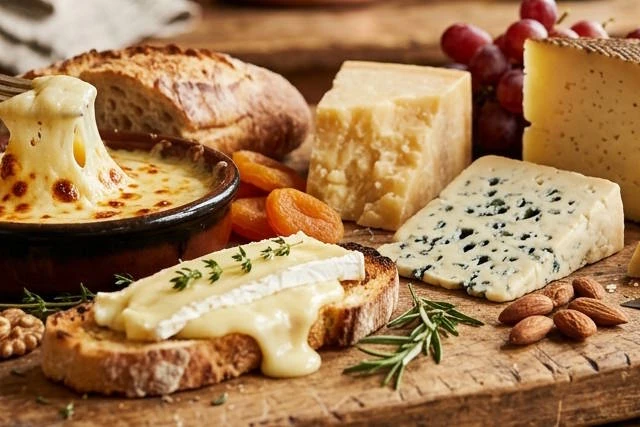
Serving temperature is another key factor that explains why some dishes need to be served immediately. When hot food cools‚ the structure of its proteins and fats changes‚ and sometimes the flavor is perceived differently as well. Melted cheese or hot sauces‚ for example‚ may harden or separate as they cool. Some dishes‚ on the other hand‚ actually improve when they reach a more moderate temperature. Matching the serving time to the right temperature is therefore an important part of planning a meal.
Why Fresh Ingredients Matter in Certain Dishes
There are many dishes in which the freshness of the ingredients is the most important factor in the final flavor. Salads‚ raw fish or dishes based on fresh vegetables lose some of their quality when they sit for a long time after preparation. The natural oxidation of vegetables‚ the absorption of liquids or the wilting of leaves can change the texture and taste of the dish. In such cases it is best to prepare the dish as close as possible to serving time.
The Right Balance Between Planning Ahead and Serving on Time
Good meal planning combines dishes that can be prepared in advance with dishes that are served immediately after they are made. This combination lets cooks manage their time more efficiently without compromising the quality of the food. When some of the dishes are already prepared‚ special attention can be given to the ones that need to be served right away. The result is a meal in which every dish is served at its best.
Summary
The choice between preparing ahead and serving immediately has to do with how flavors‚ textures and temperatures develop after cooking. Some dishes improve over time because the flavors blend more deeply‚ while others depend on crispness or freshness and must reach the table right away. Understanding these differences makes it possible to plan meals more wisely. That way you can make sure every dish reaches the table in the best possible condition.