

How to Choose a Printer Without Finding Out Later That the Ink Costs More Than the Machine
The printer's price is only part of the cost: what to check in cartridges‚ print volume and technology so that printing does not get too expensive.
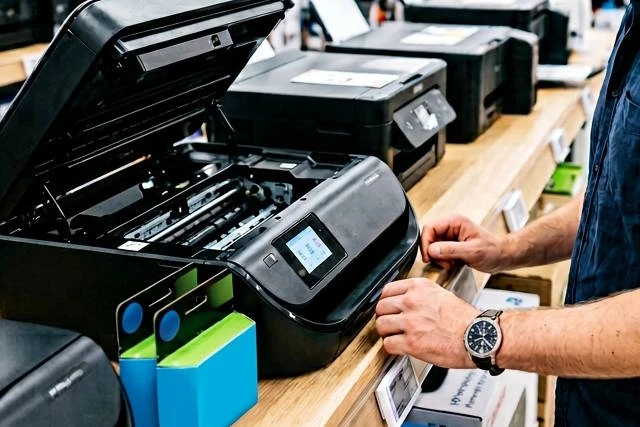
Look at the printer market more closely and it turns out that the price of the device itself is only a small part of the total cost of using it. Many companies sell printers at a relatively low price‚ expecting the profit to come from selling ink cartridges over time. As a result‚ people who print often may find themselves buying new cartridges again and again. Understanding this cost model makes it possible to choose a printer more consciously and avoid a situation where the accumulated cost of printing is far higher than expected.
Check the Cost of Ink Cartridges Before You Buy
One of the most important steps in choosing a printer is checking the price of the matching ink cartridges in advance. Some cartridges are sold at very high prices relative to the amount of ink they contain. When a cartridge runs out relatively quickly‚ users may have to replace it many times a year. That makes printing very expensive over time. Checking the price of the cartridges and the number of pages they can print therefore gives a more accurate picture of the real cost.
Estimate Your Expected Monthly Print Volume
Before choosing a printer‚ it is worth thinking about how many pages you expect to print in an average month. Occasional use of a few pages a week is very different from printing many documents every day. Some printers are suited to light use only‚ while others are designed for heavier workloads. If you choose a printer that does not match your print volume‚ the cartridges may run out faster than expected. Matching the printer to your printing habits helps you avoid unnecessary expenses.
Differences Between Inkjet and Laser Printers
The printer market includes two main printing technologies‚ and each works differently in terms of cost. Inkjet printers usually have a lower purchase price‚ but their ink cartridges can be relatively expensive. Laser printers‚ on the other hand‚ sometimes cost more to buy‚ but their toner cartridges last much longer. For users who print large numbers of documents‚ a laser printer may be the more economical solution in the long run.
Original Versus Third-Party Cartridges
Some users choose third-party cartridges that are not made by the printer's original manufacturer. These cartridges are sometimes cheaper‚ but print quality may differ in certain cases. In addition‚ some manufacturers build in mechanisms that restrict the use of non-original cartridges. It is therefore important to check in advance whether the printer allows third-party cartridges to be used without hassle.
Compare the Cost Per Printed Page
One of the most effective ways to understand the cost of printing is to calculate the average cost per printed page. You get this figure by dividing the price of a cartridge by the number of pages it can print. Comparing different models by this measure shows clearly which printers are more economical over time. It gives a more accurate picture than the price of the device alone.
Summary
Choosing a printer should be based not only on the initial purchase price but also on the cost of using it over time. Checking cartridge prices‚ expected print volume and the type of technology in advance can prevent unnecessary expenses later on. Once you understand a printer's real cost structure‚ you can choose a model that meets your needs more efficiently. That way printing stays convenient and affordable even after months and years of use.